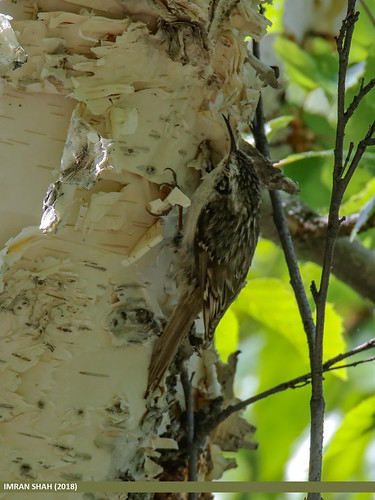
The 7D Mark II is a fast, tough APS-C DSLR built for sports and wildlife, and the photographs on Reflectr show owners using it almost entirely with long telephoto zooms. It rewards photographers who value handling and autofocus over image-quality extras.
Based on 1,000 photographs by 14 photographers on Reflectr and 5 cited sources. Updated November 2026.
How its photographs look
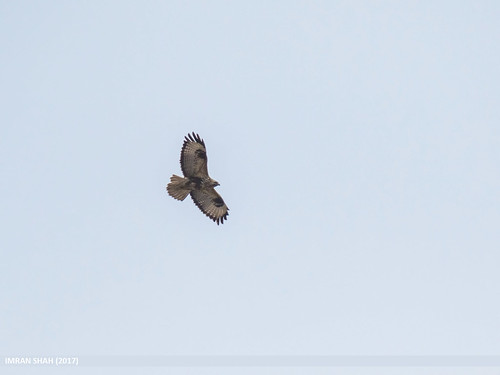
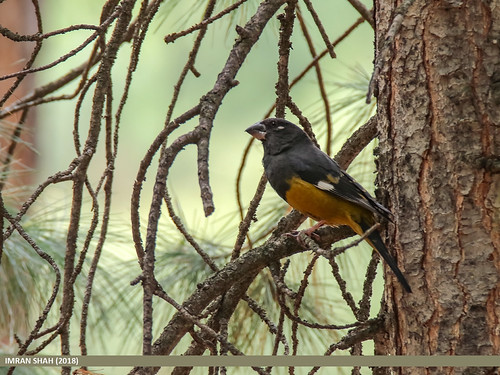
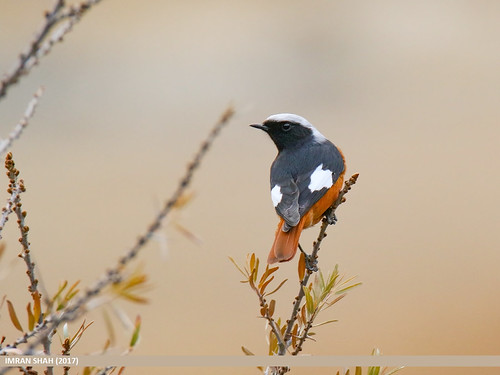
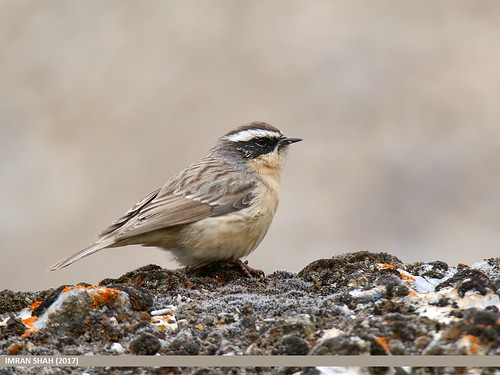
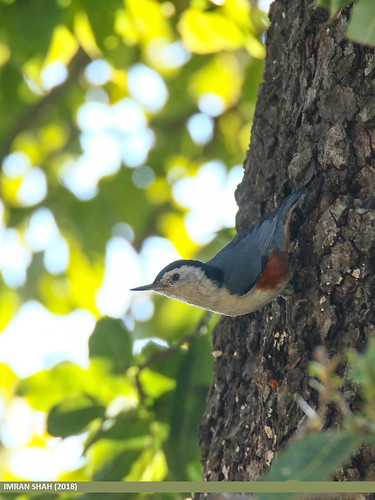
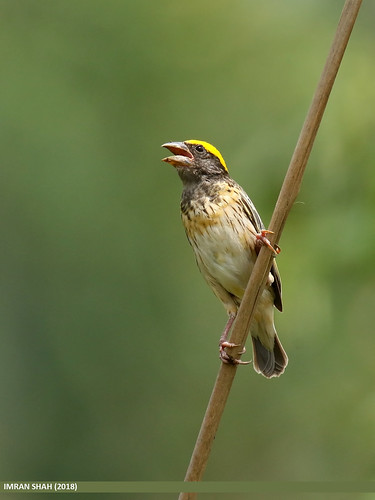
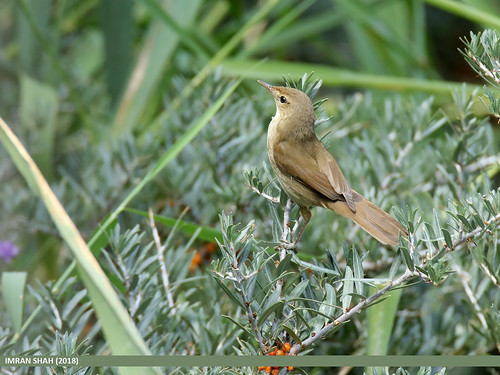
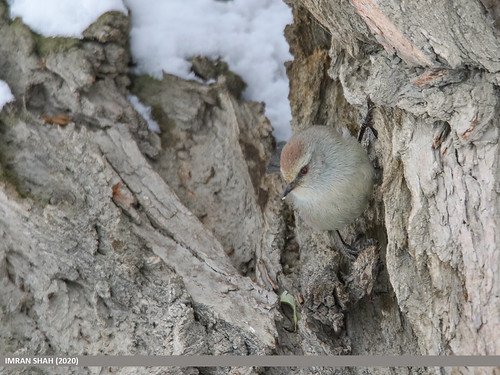
Photographs made with it tend to be warm (0.31) and muted (saturation 0.14), with a slightly brighter-than-usual tonal range: mean brightness 0.58, 59% midtones, 32% highlights and 9% shadows, and almost nothing clipped to pure black or white. The dominant colours are soft greys, a pale blue-grey, sandy khaki and dark brown, with a little olive green, which suits birds and animals in natural settings. Its owners mostly shoot at long range: the median equivalent focal length is 960 mm and 98% of frames are telephoto, with the two Tamron 150-600mm zooms accounting for 97% of lens use. Apertures are narrow, median f/8 and 98% at f/5.7 or narrower, and shutter speeds are fast, median 1/640 s. ISO sits mostly between 800 and 3200 (median 800), with none above that range.
What it does best
Fast, confident burst shootingReviewers praise its 10 fps shooting and call it one of the toughest, fastest and most confident DSLRs for sports, action and event work1. Owners on Best Buy also repeatedly cite the burst rate as a strength2.
The read compares this camera with the rest of the catalog.Full Signature ↓
The all cross-type 65-point system is praised across reviews1, and DPReview described the AF as extremely responsive3. That fits the fast shutter speeds seen in photographs made with it here.
Weather-sealed, solid buildThe magnesium-alloy, weather-sealed body is a common point of praise1. DPReview rated build quality 9.3/10 and ergonomics 9.0/103.
Suited to long telephoto workIts 1.6× crop factor adds reach, and in the photographs here nearly all of its use is with 150-600mm zooms at long equivalent focal lengths.
Where it falls short
Limited shadow recovery at low ISOAmateur Photographer found it cannot match many competitors for recovering shadow detail at low ISO4. DPReview said base-ISO Raw dynamic range is on par with the 5D Mark III but falls far short of competitors3.
Tracking and live view limitsDPReview found the iTR system struggles to track fast-moving subjects accurately. It also noted that Dual-Pixel AF is unavailable during continuous shooting and that the screen blacks out in live view shooting3.
No touchscreen, tilt or Wi-FiThe main gripes are the lack of a touchscreen, an articulating LCD and built-in Wi-Fi, though these may matter less to its sports and wildlife audience4.
Some reliability reportsA Canon Community thread describes owners with repeated repairs, including a logic board replacement and a failed sensor cleaning. These are individual reports rather than a broad failure pattern5.
Who the EOS 7D Mark II is for
It suits sports and wildlife photographers who want a robust body with quick autofocus and a high frame rate, particularly those working with long lenses in the field. Anyone who cares most about shadow recovery at low ISO, touchscreen controls or built-in connectivity would be better served elsewhere. Owners of the original 7D should not expect a dramatic change in image quality alone3.
A rugged, quick and well-handling camera for action and wildlife, held back mainly by modest low-ISO dynamic range and a short feature list. It is a sound choice if handling and autofocus matter more to you than the last measure of image quality.
Average brightness 58%, contrast 62%, 0% of pixels clipped to black and 0% to white.
Tendencies
Warmthleans warm (0.31)
CoolWarm
Tintleans green (-0.03)
GreenMagenta
Saturation15%
MutedVivid
How it is shot
ISOmedian 800
ISO 400 and under: 3%
ISO 800 – 3200: 97%
ISO 3200+: 0%
ISO 400 and under 3%
ISO 800 – 3200 97%
ISO 3200+ 0%
Aperturemedian f/8
f/2 and wider: 0%
f/2.1 – f/5.6: 2%
f/5.7 and narrower: 98%
f/2 and wider 0%
f/2.1 – f/5.6 2%
f/5.7 and narrower 98%
Focal length (35 mm equivalent)median 960 mm
Wide: 1%
Standard: 1%
Telephoto: 98%
Wide 1%
Standard 1%
Telephoto 98%
Based on 1000 of the newest photos, spread across as many photographers as possible, and settings from all 3954 photos. It reflects the photographers and their subjects as much as the camera.