Apple iPhone 7
- 2016
- Phone
- 12 MP
- 138 g

Camera Signature
419 photos · 49 photographersNeutral · Natural · Mid-key
- #272825, 30%
- #cbcdca, 23%
- #6f7785, 19%
- #666748, 13%
- #c0a272, 9%
- #974832, 5%
ToneShadows 38%Highs 24%Tonal histogram: 38% shadows, 38% midtones, 24% highlights.
Colour
Typical settingsISO 25f/1.84 mm
The read compares this camera with the rest of the catalog.Full Signature ↓
The Reflectr read
A 2016 phone camera with a fast f/1.8 lens and optical stabilisation, it suits people who want dependable everyday pictures from a 138 g device. It is a modest step on its predecessors, and it is best in good light.
Based on 241 photographs by 46 photographers on Reflectr and 9 cited sources. Updated November 2026.
How its photographs look
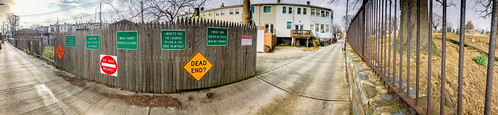
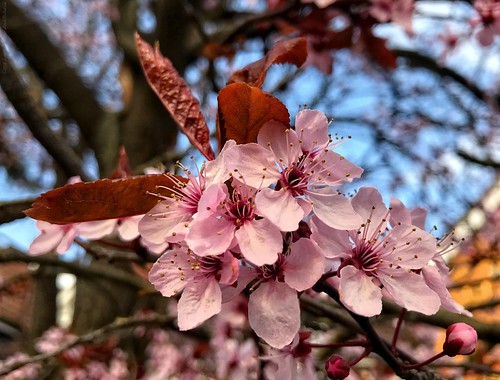
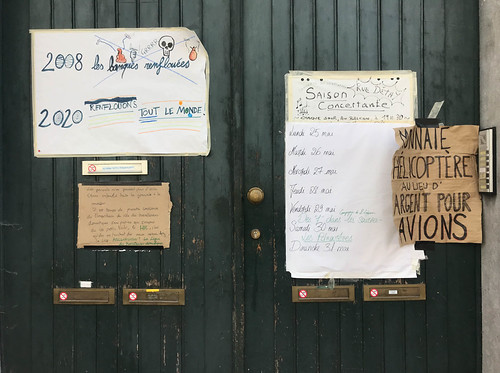
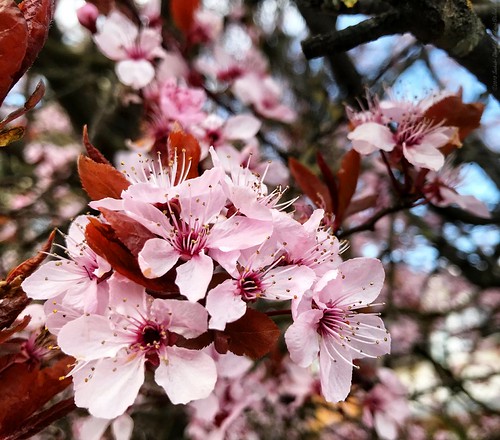
Photographs made with the iPhone 7 on Reflectr tend to look typical for the catalogue: slightly warm (0.25), with average saturation (0.21) and a mean brightness of 0.43. Contrast is fairly high at 0.82, and the tones lean dark, with 41% shadows, 38% midtones and 21% highlights. Clipping is small, with 2% pure black and 1% pure white. The dominant colours are near-black, olive grey, pale grey, khaki, a muted blue and a burnt orange. Its owners mostly shoot at low sensitivities, with a median of ISO 25 and 97% at ISO 400 or below, at a median of 1/100 s. Almost all frames use the main lens at f/1.8 (97%), at a median of 4 mm, which is a wide view in 35 mm terms. Nothing in the sample is standard or telephoto.
What it does best
- Wide dynamic range outdoorsDxOMark praised its wide dynamic range, stable white balance and good outdoor detail, and thought it an excellent choice for landscapes, street scenes and architecture1. The photographs here, with their low ISO and restrained clipping, fit that kind of daylight use.
- A brighter lens and stabilisationThe f/1.8 aperture, against f/2.2 on the iPhone 6s, and a flash 50% brighter than earlier models improved low-light shooting2. ITPro said optical image stabilisation, previously Plus-only, works marvelously3.
- Contrasty and dim-light scenesA Wired night test found it did well in contrasty scenes4. Photographers quoted by The Independent praised its low-light results and fast focusing in very dim conditions5.
- Portraits in bright lightIn bright light, Portrait Mode bokeh was described as approaching what a DSLR can do6.
Where it falls short
- Noise and softness in low lightDxOMark noted loss of very fine detail and visible luminance noise in low light1. Its 2017 retest again listed strong luminance noise and slower autofocus in dim conditions7.
- Weak in dim indoor scenesThe Wired night test found it did poorly in dim indoor scenes such as bars4.
- Portrait Mode has limitsIt needs good light, is sensitive to subject distance and fails when subjects move8. Artefacts included a lost silver lip on a bottle and blur on glass rims6.
- An incremental updateITPro felt it was treading water, with minor iterations on the previous three generations3. Its DxOMark score of 86 trailed the Galaxy S7 Edge and five other devices9.
Who the iPhone 7 is for
It suits someone who wants a small, light camera for daylight snapshots, travel, street and architecture, and who is content with a single wide lens. Owners of the iPhone 6s have little reason to upgrade unless they are a photography nut or need better battery life2. Anyone who wants telephoto reach, dependable results in dim interiors or a lot of control over files should look elsewhere.
A capable, pocketable daylight camera whose strengths are in good light and whose limits show once it gets dim. It is a sensible choice for casual wide-angle shooting, not a leap over the phones before it.
Sources
- 1Apple iPhone 7 camera review: better than ever · dxomark.com
- 2iPhone 7 Review: Apple's Best iPhone Ever, But Just Barely · time.com
- 3iPhone 7 review · itpro.com
- 4So, how good is the iphone 7’s camera in low light? · diyphotography.net
- 5Apple shows off just how good the iPhone 7 camera is with series of captivating photos · independent.co.uk
- 6The iPhone 7 a Substitute for a DSLR? - UponArriving · uponarriving.com
- 7Apple iPhone 7: Retested with new DxOMark Mobile protocol · dxomark.com
- 8Testing the iPhone 7 Portrait Mode at the Pumpkin Patch · pinolaphoto.com
- 9iPhone 7 Camera Test Touts Excellent Exposure, Lower Noise, and Richer Colors · macrumors.com