Warm · Vivid · High-key
The iPhone 5s is a 2013 phone camera with an 8 MP sensor, a fixed wide lens and very little manual control. It rewards photographers who want easy, well-judged colour and exposure in good light, and it frustrates anyone who wants to shape the picture.
Based on 795 photographs by 73 photographers on Reflectr and 8 cited sources. Updated November 2026.
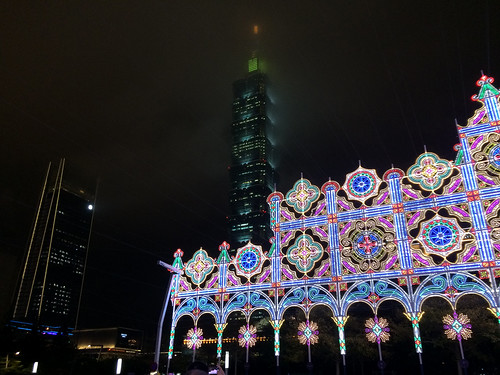
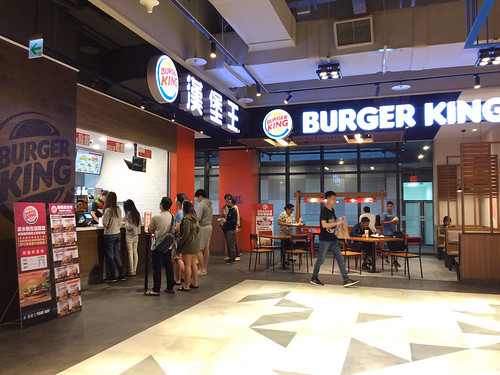
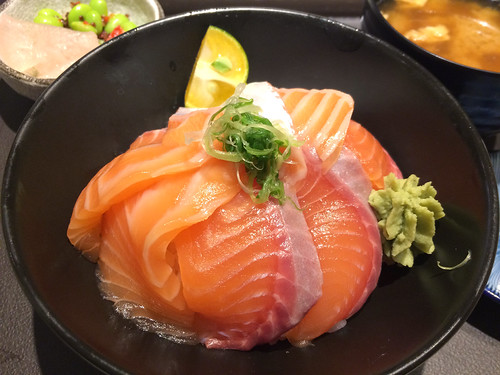
Photographs made with the 5s on Reflectr tend to be warm and fairly vivid, with a warmth of 0.45 and saturation of 0.25, both above most cameras in the catalogue. They also run bright, with a mean brightness of 0.49 and strong contrast of 0.91. Tones divide almost evenly between shadows (35%), midtones (35%) and highlights (30%), with 1% pure black and 4% pure white, so highlights clip a little more often than shadows block up. The dominant colours are near-black, a pale warm grey, a cool grey, and earthy browns, ochres and a brick orange. Its owners mostly shoot in daylight: the median ISO is 64 and 93% of frames are at ISO 400 or below. Only 7% go up to ISO 800 to 3200, and none beyond. Every frame comes from the same fixed lens, at a median of f/2.2 and about 4 mm, which is 100% wide. Two lens entries, 4.15 mm (83%) and 4.12 mm (17%), cover everything.
The 5s suits someone who wants a small, light phone (112 g) that takes dependable, colourful pictures in daylight with no fuss, and who will accept a single wide lens. It also works for photographers curious about early smartphone image quality. It is not for those who want manual control, zoom, raw files or shallow depth of field8, nor for people who prefer larger screens or other mobile operating systems4. Anyone who prioritises low-light results or fine detail should look at a camera with a larger sensor or a higher-resolution one.
A capable, easy daylight camera whose colour and exposure still stand up, held back by fixed optics, thin controls and uneven low-light results.