Apple iPhone 4
- 2010
- Phone
- back-side illuminated sensor
- 5 MP
- 137 g

Camera Signature
369 photos · 59 photographersNeutral · Vivid · Low-key
- #242023, 27%
- #5e5847, 22%
- #cecdc8, 21%
- #7a7c91, 18%
- #b1a247, 6%
- #a44d33, 6%
ToneShadows 42%Highs 20%Tonal histogram: 42% shadows, 38% midtones, 20% highlights.
Colour
Typical settingsISO 100f/2.84 mm
The read compares this camera with the rest of the catalog.Full Signature ↓
The Reflectr read
The iPhone 4 is a 5 MP phone camera from 2010 that gives good results in daylight and is happiest as a pocketable point-and-shoot. It has a single fixed lens and no manual control, so it suits quick, casual shooting rather than serious work.
Based on 249 photographs by 57 photographers on Reflectr and 7 cited sources. Updated November 2026.
How its photographs look
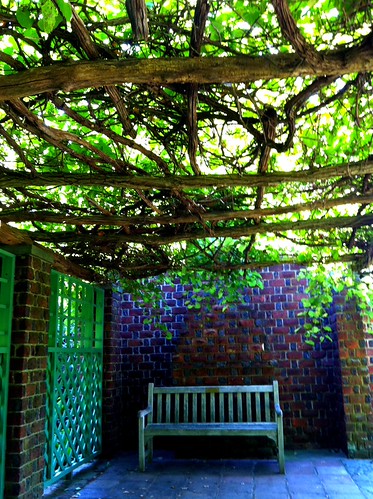
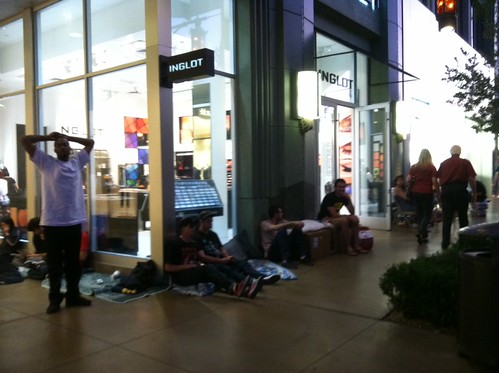
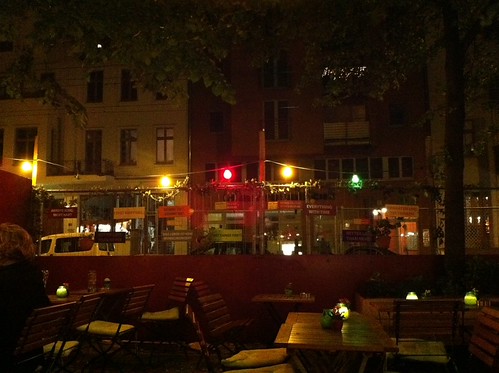
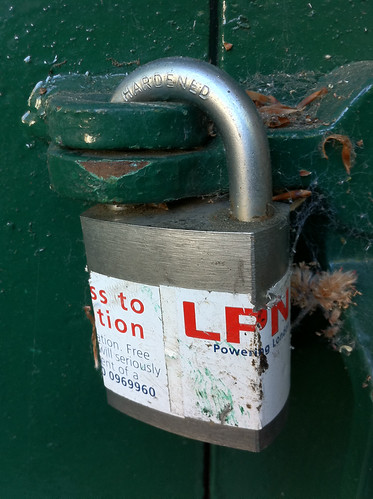
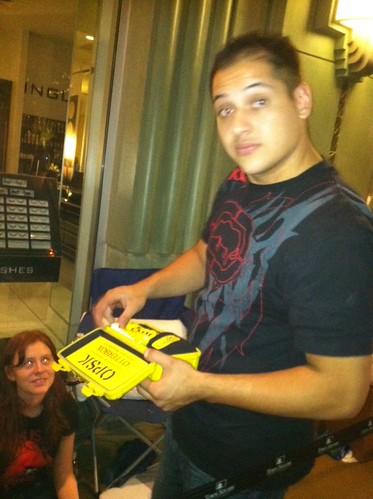
Photographs made with it tend to be warm and vivid: warmth measures 0.28 and saturation 0.25, both above most cameras in the catalogue, with a slight magenta lean (tint 0.15). The frames run darker than average, with a mean brightness of 0.42 and high contrast of 0.87. Shadows take up 44% of pixels, midtones 37% and highlights 20%, with 1% pure black and 3% pure white. The dominant colours are near-black, dark olive-brown, warm grey, pale off-white, amber and a muted blue-violet. Owners shoot in good light: median ISO is 100, 78% of frames are at ISO 400 or below, and none are above ISO 3200. Every frame comes from the single 3.85mm f/2.8 back camera, which is a wide view at a 4 mm median equivalent focal length. Aperture sits between f/2.1 and f/5.6 in every photograph, and the median shutter speed is 1/40 s.
What it does best
- Detail in good daylightReviewers praised image quality and detail in bright, even light12, and rated it among the best 5MP cameraphones for resolution3. Owners on Reflectr mostly shoot at ISO 100, which plays to this.
- Fast, reliable autofocusAutofocus was called very good, with tap-to-focus and subject tracking, and low-light focusing worked well4. Shutter lag was near zero1.
- Quick shooting and sharingIt manages about 1.2 pictures per second1. One reviewer said it could replace a Canon PowerShot G11 for walkaround shooting1.
- Punchy, ready-to-share colourReviewers found colour oversaturated3, and photographs on Reflectr are more vivid and warmer than most. That suits snapshots viewed on screen.
Where it falls short
- Weak in low lightLuminance and chrominance noise were quite high at higher ISOs, and most pocket cameras beat it above ISO 4006. Full-size files looked smudged in dim light7.
- No stabilisation, poor flashThere is no image stabilisation of any kind, and the flash is weak4. It was also described as heinous for red-eye5.
- Digital zoom onlyThere is no optical zoom, and the 5x digital zoom amplifies camera shake5 and makes images grainier7.
- Limited control and colour quirksThere is no control over ISO or white balance, colour is very saturated and reds are soft6. Colour shading appeared under fluorescent light and a reddish cast under dim tungsten2.
Who the iPhone 4 is for
It suits someone who wants a camera that is always with them and who mostly shoots outdoors or in well-lit rooms, then shares on screen. Reviewers framed it as a casual option, good enough for quick shooting and sharing5, and as a step up from the iPhone 3GS5. Anyone who shoots in dim light, wants optical zoom or needs control over ISO and white balance should look elsewhere: a pocket compact beat it above ISO 400 in one review6, and the lens is fixed.
A capable daylight snapshot camera for its time, with fast handling and punchy colour. Its small sensor, fixed lens and lack of control keep it a casual tool.
Sources
- 1Review: iPhone 4 · jeffgeerling.com
- 2Apple iPhone 4 · dxomark.com
- 3Apple iPhone 4 review: Love it or hate it · gsmarena.com
- 4Field Test: Apple iPhone 4 Camera - The Phoblographer · thephoblographer.com
- 5iPhone 4: Camera review · cnet.com
- 6Apple iPhone 4 Review - Imaging Resource · imaging-resource.com
- 7Apple iPhone 4 · theregister.com